
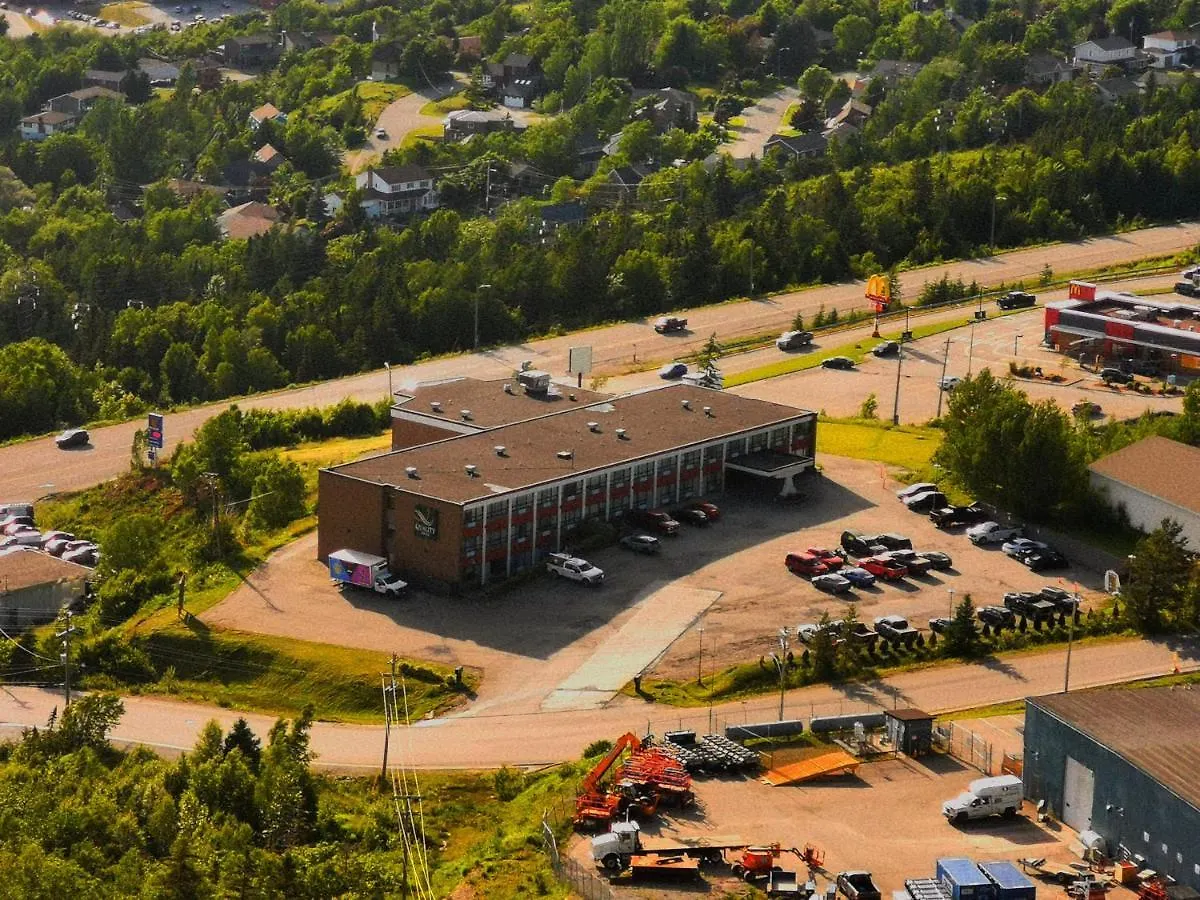
Canada's inn hotels sit in a category of their own - smaller than chain hotels, more character-driven than motels, and often positioned in locations that larger properties simply don't reach. From the fjord-framed streets of Corner Brook to the hiking trails outside Haines Junction in the Yukon, inns in Canada tend to place guests closer to the landscapes and communities that make the country worth visiting. This guide covers 6 hand-reviewed inns across multiple provinces to help you choose the right base for your trip.
What It's Like Staying in Canada
Canada is the second-largest country in the world by land area, meaning the experience of staying here varies dramatically depending on where you are. The Atlantic provinces offer rugged coastlines, fishing villages, and Celtic-influenced culture in Cape Breton; the Yukon delivers raw wilderness and near-zero light pollution; while Newfoundland remains one of North America's most underrated destinations, combining Viking history at L'Anse aux Meadows with whale-watching fjords near Gros Morne National Park. Crowds are highly seasonal - July and August bring peak domestic tourism, particularly to national parks and coastal routes, while shoulder seasons in May-June and September offer dramatically thinner foot traffic at most sites.
Travelers staying outside major urban centers like Toronto or Vancouver gain direct access to landscapes and cultural authenticity that city hotels can't replicate. However, distances between destinations are significant - driving from Corner Brook to Sydney, Nova Scotia, for example, involves ferry crossings and can take the better part of two days. Canada suits independent travelers comfortable with road trips and variable weather; those seeking dense urban nightlife or a walkable city-break experience may find rural and small-town inns less suited to their style.
Pros:
- Exceptionally diverse natural landscapes within a single country - boreal forests, tundra, ocean coastlines, and glacier-fed lakes
- Inns outside major cities offer direct proximity to national parks, hiking trails, and heritage routes with minimal commute
- Around 40% lower accommodation costs in Atlantic Canada and the territories compared to Toronto or Vancouver
Cons:
- Vast distances between regions require a car or domestic flights - public transport is limited outside major cities
- Weather is highly unpredictable, especially in Newfoundland and the Yukon, where conditions can change within hours
- Dining and amenity options near rural inns can be limited, particularly outside summer season
Why Choose Inn Hotels in Canada
Inn hotels in Canada occupy a distinct niche: they're typically 3-star properties with fewer than 40 rooms, often family-run or independently operated, and frequently located in towns and rural corridors that branded hotel chains don't service. Breakfast is a genuine differentiator - many Canadian inns include a full or continental breakfast as standard, which offsets costs in remote areas where restaurant options are sparse. Room sizes tend to be more generous than urban hotel equivalents, and parking is almost universally free, which matters significantly on road-trip itineraries.
The trade-off is consistency: service quality, amenity standards, and room fit-out vary more between individual inns than between branded chain properties. Fitness facilities are present at some inns but absent at others. Prices typically run between CAD $100 and CAD $180 per night depending on province and season, placing them below full-service hotels while offering more personality than budget motels. For travelers spending multiple nights in one location - a national park gateway, a coastal town, or a Cabot Trail stop - inns offer a more grounded stay than highway-side chains.
Pros:
- Free parking included at virtually all Canadian inns - essential for self-drive itineraries covering multiple provinces
- Breakfast often included or available on-site, reducing dependency on nearby restaurants in remote locations
- Independently operated properties frequently provide local knowledge and personalized recommendations unavailable at chain hotels
Cons:
- Amenity standards are inconsistent - not all inns offer fitness facilities, room service, or disability-accessible rooms
- Smaller properties can sell out weeks in advance during summer, requiring earlier booking than urban hotels
- Some inns operate seasonal hours or reduced services outside the June-September window
Practical Booking & Area Strategy for Canada
Choosing the right base within Canada depends entirely on your itinerary. Corner Brook in Newfoundland functions as the western gateway to Gros Morne National Park, a UNESCO World Heritage site with tablelands hiking and coastal boat tours - staying here is tactically smarter than booking accommodation inside the park itself, where options are scarce. The Cabot Trail in Cape Breton, Nova Scotia, is one of Canada's most celebrated scenic drives, and Chéticamp sits directly on this route, making it a logical overnight stop. Grand Falls-Windsor in Newfoundland positions travelers centrally on the Trans-Canada Highway, useful for cross-island road trips. Haines Junction in the Yukon is the last significant service town before Kluane National Park - a UNESCO site covering around 22,000 square kilometers of glaciers and alpine terrain - making it a non-negotiable stop for anyone entering the park from Whitehorse. For Prince Edward Island, the eastern shore near Souris offers quieter beaches and access to the ferry to the Magdalen Islands, distinct from the more-visited central PEI around Charlottetown. Book inns at least 6 weeks ahead for any July or August travel in Atlantic Canada or the territories.
Inn Hotels in Atlantic Canada
The Atlantic provinces and Newfoundland host several of the inns in this guide, each positioned on or near major travel corridors. Properties here benefit from competitive nightly rates and direct proximity to Canada's most scenic coastal and park destinations.
-
1. Quality Inn
Show on map


 Check-infrom 16:00 until 23:59Check-outuntil 11:00
Just a few rooms left at the best rate!
fromC$ 144
-
2. Auberge Doucet Inn
Show on map


 Check-infrom 14:00 until 21:30Check-outuntil 11:00
Just a few rooms left at the best rate!
fromC$ 261
-
3. Carriage House Inn Four And A Half Stars
Show on map


 Check-infrom 15:00 until 22:00Check-outfrom 07:00 until 11:00
Hurry – almost gone at this price!
fromC$ 119
-
4. Rollo Bay Inn
Show on map


 Check-infrom 15:00 until 23:59Check-outuntil 11:00
Hurry – almost gone at this price!
fromC$ 122
Inn Hotels in the Yukon & Nova Scotia Interior
Two inns in this selection operate in more remote or historically distinctive settings - one adjacent to a UNESCO wilderness park in the Yukon, the other inside a converted heritage structure in Nova Scotia. Both require deliberate planning to reach but offer experiences unavailable through standard hotel bookings.
-
5. Kluane Park Inn
Show on map


 Check-infrom 15:00 until 23:59Check-outuntil 11:00
Rooms filling fast – secure the best rate!
fromC$ 90
- Show on map
Best price guarantee
Smart Travel & Timing Advice for Canada Inn Stays
July and August are the peak months for Atlantic Canada, PEI, and the Yukon - inns in Chéticamp, Haines Junction, and Souris can sell out 8 weeks in advance during this window, particularly on weekends and during local festivals like the Chéticamp Festival Acadien. Prices across these properties typically climb around 30% compared to June or September rates. September is arguably the strongest value month: crowds thin noticeably after Labour Day, foliage begins to turn in Newfoundland and Cape Breton, and most inns remain fully operational through mid-October. May and early June bring the lowest prices but carry weather risk - Newfoundland in May can see snow at elevation, and some inn services operate on reduced hours before the summer season formally begins. For Kluane and Yukon itineraries, late June to mid-August is the only practical window for glacier hiking and park access; shoulder travel to the Yukon outside this period requires careful logistical planning. A minimum of 2 nights per inn is recommended on multi-province road trips - single-night stays rarely allow enough time to access the key sites each location serves as a gateway for.


